


Four Piece Recording or Live Exam: Which ABRSM Grades Fit in England

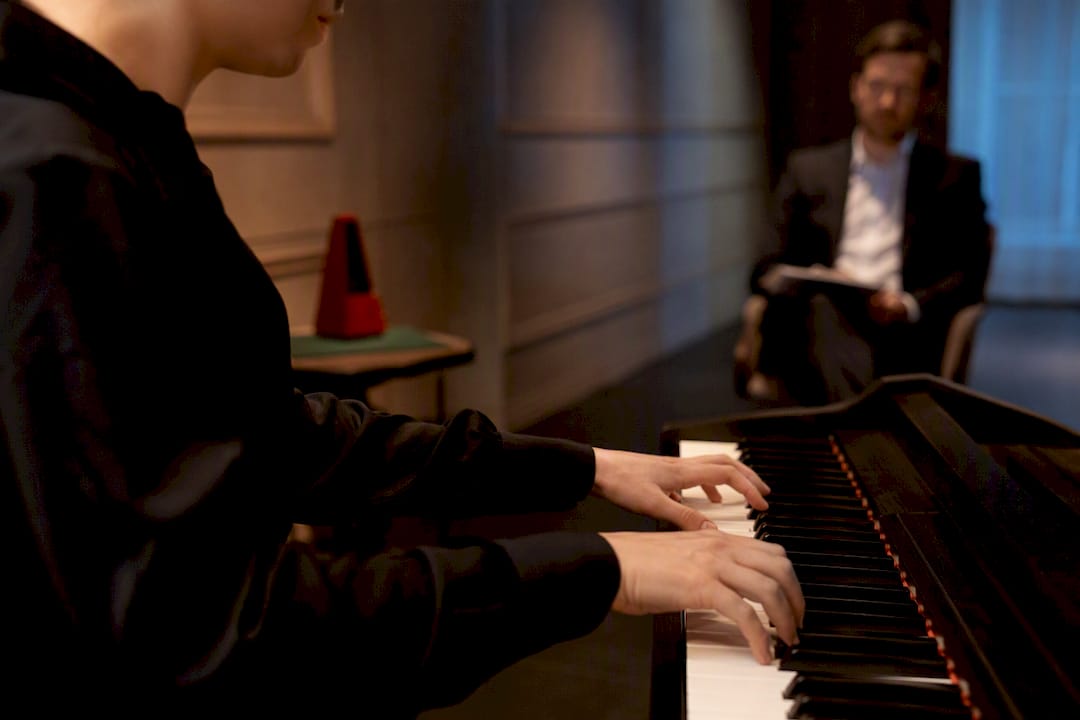
Performance Grades ask for one continuous recorded performance of four pieces, marked on musicality and coherence as a whole. Practical Grades put you in a room with an examiner for pieces, scales, sight-reading and aural tests. Performance-driven players who dislike unaccompanied technical work tend to suit Performance Grades; students who benefit from structured feedback and steady all-round development usually do better with Practical Grades. ABRSM and teachers such as those at Dan Piano Studio can help you decide either way.
TL;DR:
Performance Grades require recording four pieces in a single take, emphasizing musical storytelling and coherence, and are better suited for confident performers.
Practical Grades involve face-to-face assessments with a live examiner, testing technical skills, sight-reading, and musicianship across three pieces and support tests.
Marks for Performance Grades focus on the overall program and pacing, while Practical Grades weigh individual components like scales, sight-reading, and aural skills separately.
Switching between routes is common and straightforward, but marks and recordings do not transfer, so initial choice should reflect the student’s strengths and preferences.
Technical preparation for recordings, such as room acoustics and file compliance, is crucial for Performance Grades, while Practical Grades demand early arrival and printed copies at the exam center.
Table of Contents
Performance grades vs practical grades: the key differences at a glance
The two routes share a grading scale from Initial to Grade 8, but the exam experience is almost nothing alike.
Performance Grades exist to reward musical storytelling. You record yourself playing four pieces in one continuous take, submit the file digitally, and an examiner marks it later without ever meeting you. Practical Grades are the traditional route: you turn up to a centre, play for an examiner in real time, and get tested on more than just repertoire.
Format and submission: Performance Grades are recorded digitally and uploaded as a single take; Practical Grades happen face-to-face at an exam centre with a live examiner.
Number of pieces: Performance Grades require four pieces built into one programme; Practical Grades require three pieces plus scales, arpeggios (or an unaccompanied song/study), sight-reading and aural tests, all assessed face-to-face.
What’s assessed: Performance Grades mark each piece plus “performance as a whole”; Practical Grades mark technical control, musicianship, and how well you handle unfamiliar material on the spot.
Who it suits: Performance Grades suit confident players who thrive on full-programme playing without a live audience watching every note; Practical Grades suit students who want structured, well-rounded musical training and don’t mind performing under an examiner’s gaze.
UCAS points: Both routes carry identical UCAS point value at Grades 6 to 8, so neither gives you an academic advantage over the other.
Neither format is objectively harder. They’re testing different things, and ABRSM treats them as equivalent in demand and value despite the different skill sets involved.
What ABRSM Performance Grades actually involve
Performance Grades were introduced as a regulated alternative to the traditional exam, and the format reflects that: you’re building a mini recital, not ticking boxes.
Each grade requires four pieces drawn from the same repertoire lists used for Practical Grades, but the pieces need to work together as a programme. Examiners listen for contrast in mood, tempo and style across the set, not just accuracy within each piece.
Candidates present all four pieces in one continuous recording, with no edits or retakes spliced in.
File format, naming and submission rules are strict, and ABRSM checks recordings for compliance before marking.
A recording can be submitted only once: the qualification specification makes clear that a previously submitted take cannot be reused for the same grade or a different one.
“Performance as a whole” earns its own mark on top of individual piece marks, rewarding shape, pacing and communication across the full programme.
The most common way candidates lose marks isn’t wrong notes. It’s submitting a recording made months earlier for a different purpose, or splicing together the best sections from several takes. Both count as reuse and both risk disqualification.
Pro Tip: Record a full dress rehearsal a week before your real submission and send it to your teacher. A second pair of ears almost always catches balance problems or pacing issues you can’t hear from the piano stool.
What ABRSM Practical Grades actually involve
Practical Grades are the exam most parents grew up with, and the structure hasn’t changed much: three pieces, then a run of supporting tests, all in front of a live examiner.
The three pieces come from the official syllabus lists, chosen across contrasting styles. After the pieces, candidates move through scales and arpeggios (or an unaccompanied song or study at some grades), sight-reading, and aural tests, all within a single sitting lasting roughly 15 to 30 minutes depending on grade.
Three pieces, each drawn from a different list, assessed individually for technical accuracy and musical shape.
Scales, arpeggios and either sight-reading or an unaccompanied test piece, depending on the grade.
Aural tests that check pitch memory, rhythm and the ability to describe what you hear.
Component marks combine into a single total, which determines a pass, merit or distinction.
Grades 6 to 8 carry a prerequisite: you generally need to hold (or be entered for) a lower grade first, which matters for planning if you’re aiming for UCAS points on a tight school timeline. The face-to-face format means examiners can ask you to repeat a passage or clarify a tempo, something a recorded submission simply can’t offer.
How marks and UCAS points actually work
Both routes total marks out of 150 across all their components, with broadly similar pass, merit, and distinction grading bands.
Performance Grades add a “performance as a whole” mark to the individual piece scores, rewarding pacing and programme coherence on top of note accuracy.
Practical Grades weight each component (pieces, technical work, sight-reading, aural) separately before combining them into the total.
Grades 6 to 8 in either route carry identical UCAS points, so a university application gains nothing extra from choosing one over the other.
Recordings and marks never transfer between routes: if you switch from Performance to Practical partway through preparation, you start that grade’s assessment from scratch.
That last point catches families out more than any other rule. Switching pathways is allowed and common, but nothing carries over, so plan the switch before you’ve invested months preparing a specific programme.
A practical decision framework for parents and students
Choosing between routes gets easier once you stop asking “which is easier” and start asking “which plays to my child’s strengths”.
Run through this quick checklist before committing to a grade entry:
Does the student play more confidently with nobody watching, or do they need an audience to stay focused?
Is their sight-reading and aural work solid, or noticeably behind their piece-playing?
How much time is left before the target exam session, given Performance Grades demand a polished full programme with no room for an off day?
Has the student sat a mock exam in each format to see which one they handle better under pressure?
Does the family need UCAS points soon, and does that change the timeline more than the format choice?
Ask a prospective teacher direct questions: do they run mock recordings before a Performance Grade submission? Do they build in technical checks for microphone placement and room acoustics? How do they choose repertoire that suits both the syllabus and a student’s natural strengths?
Treat any claim that one route is “categorically easier” as a red flag; it usually means the person hasn’t prepared students for both. Our detailed breakdown of ABRSM’s practical versus performance routes goes further into matching format to personality if you want a second opinion before booking.
Pro Tip: If you’re undecided, sit a mock exam in both formats before the real entry. Most students reveal a clear preference the moment they compare how each one actually feels.
Booking, recording, and exam day: what candidates need to get right
Official syllabuses, fees and booking windows all sit on ABRSM’s own site, and it’s worth checking the current version before committing to repertoire, since lists update periodically.
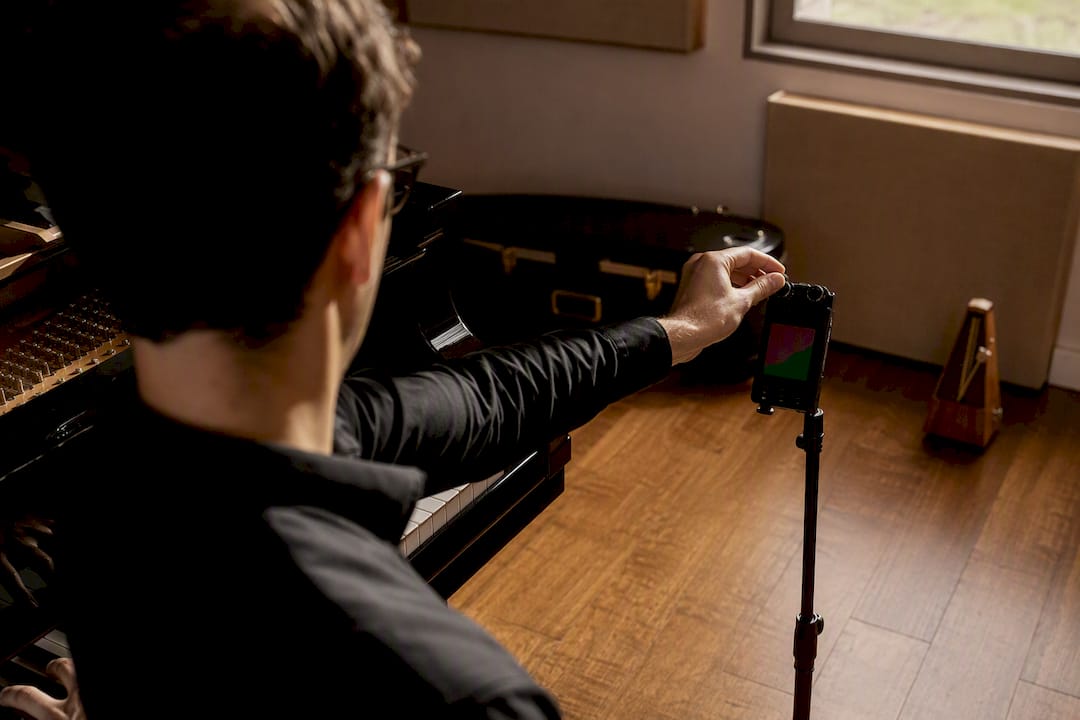
For Performance Grades, the recording setup matters as much as the playing. Background noise, poor microphone placement and uneven audio balance are among the most common causes of technical rejection that teachers report, so a quiet room and a properly positioned device aren’t optional extras.
Choose a quiet room with minimal echo, and test audio levels before the real take.
Save the file exactly as ABRSM specifies, with correct naming, and never submit a recording made for another purpose.
Double-check file format and length limits before uploading, since a rejected file can mean re-recording under time pressure.
For Practical Grades, arrive early, bring your own copies of the pieces, and expect the examiner to guide you through scales and sight-reading at a set pace.
Guidance from technical resources like The DeputIE’s manual on presenting recorded performances is worth a read if you’re unfamiliar with packaging audio files correctly for submission.
How Dan Piano Studio prepares students for both routes
Preparation looks different depending on the route, and lessons at Dan Piano Studio reflect that split rather than treating every exam candidate the same way.
For Performance Grades, sessions focus on programme-building: sequencing the four pieces so contrast and pacing feel natural, then running full mock recordings with technical checks on microphone placement and room sound. For Practical Grades, lessons weight scales, sight-reading and aural work as heavily as the pieces themselves, since these areas often affect marks most.
A six-week Performance block typically moves from individual piece polish, to full-programme run-throughs, to mock recording and feedback.
A six-week Practical block splits time between pieces, technical drills, and timed sight-reading and aural practice.
Tools such as PianoViz can help students visualise practice patterns between lessons, which is especially useful when building a four-piece programme from scratch.
A teacher’s view on the borderline cases
Most decisions aren’t close calls. Confident performers who freeze up with an examiner in the room usually thrive once they switch to Performance Grades. Students who need the structure of live feedback, particularly younger children still building sight-reading habits, tend to progress faster on the Practical route. One family I think of often had a teenager who dreaded live exams but loved recording himself for social media; Performance Grades transformed his attitude to practice overnight. Another had a nine-year-old who needed an examiner’s gentle prompts to stay calm, and Practical Grades suited her far better. Switching later is always possible, so an early choice isn’t a life sentence.
— Dan
Get exam-ready with the right kind of support
Whichever route you’re leaning towards, the preparation that actually moves the needle is specific to that format, not generic practice advice. Dan Piano Studio runs Online Piano Lessons, a Camden Studio Trial Piano Lesson, and Home Piano Lessons, alongside dedicated ABRSM exam coaching that includes mock recording sessions for Performance Grade candidates and full mock exams for Practical Grade candidates.
A trial lesson is the easiest way to work out which route actually fits, rather than guessing from a checklist alone. Bring a recent recording or a note of which grade you’re aiming for, and the lesson will focus on where you or your child currently stand against that syllabus. Book a trial or full lesson directly through the site, or browse the full range of piano lesson options to see what fits your timeline and exam goals.
Where to check the official details
ABRSM’s own site for current exam booking and fees
Sources
FAQ
Is an ABRSM Performance Grade the same as a Practical Grade?
No. Performance Grades are recorded digitally as one continuous take and marked on the performance as a whole, while Practical Grades are sat face-to-face with an examiner and include scales, sight-reading and aural tests.
Is 70% a high mark in ABRSM grading?
ABRSM grades are marked out of 150 rather than as a straight percentage, but a mark equivalent to roughly 70% typically falls short of the pass threshold, so it isn’t directly comparable to a school grading percentage.
What are the requirements for an ABRSM Performance Grade?
Candidates prepare four pieces from the official syllabus lists and submit them as a single continuous recording, with marks given for each piece and for the performance as a whole.
What is the grading system for music exams in the UK?
ABRSM’s system runs from Initial Grade through Grade 8, with both Performance and Practical routes using pass, merit and distinction bands, and Grades 6 to 8 in either route carrying equal UCAS point value.
Recommended


Comments